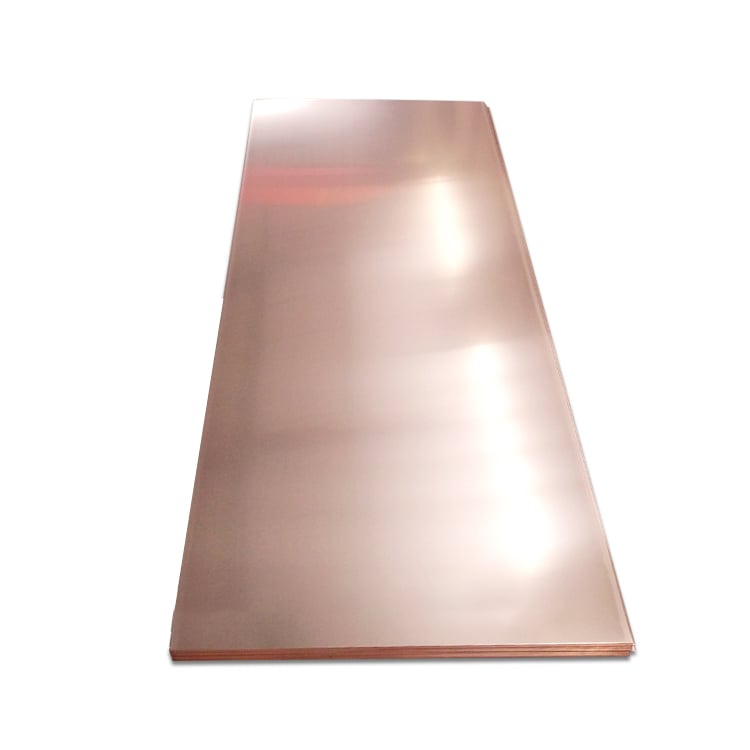
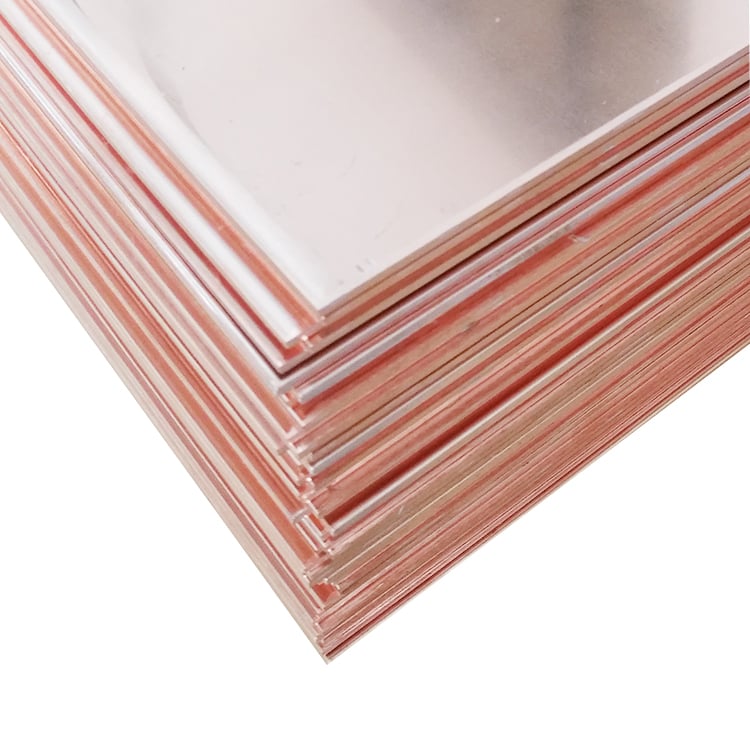
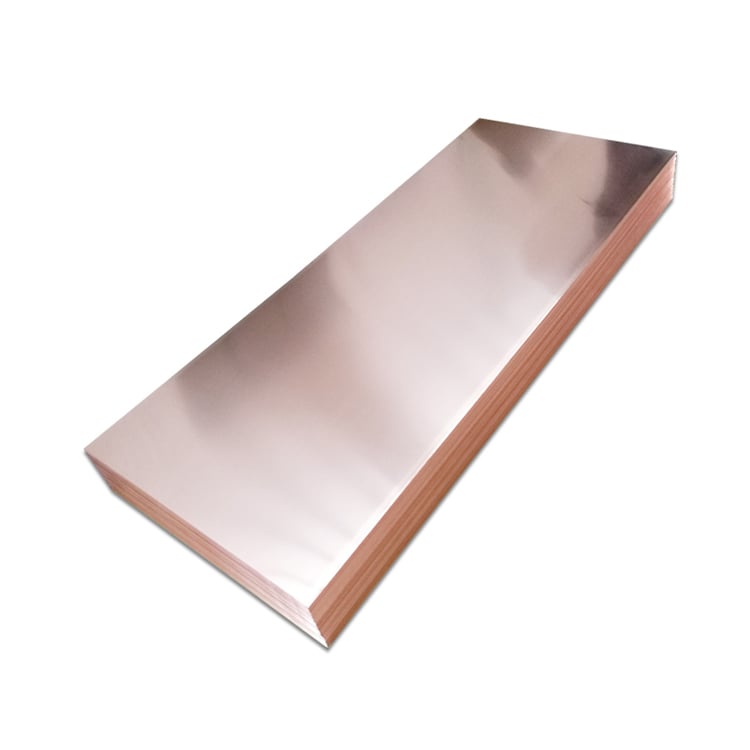
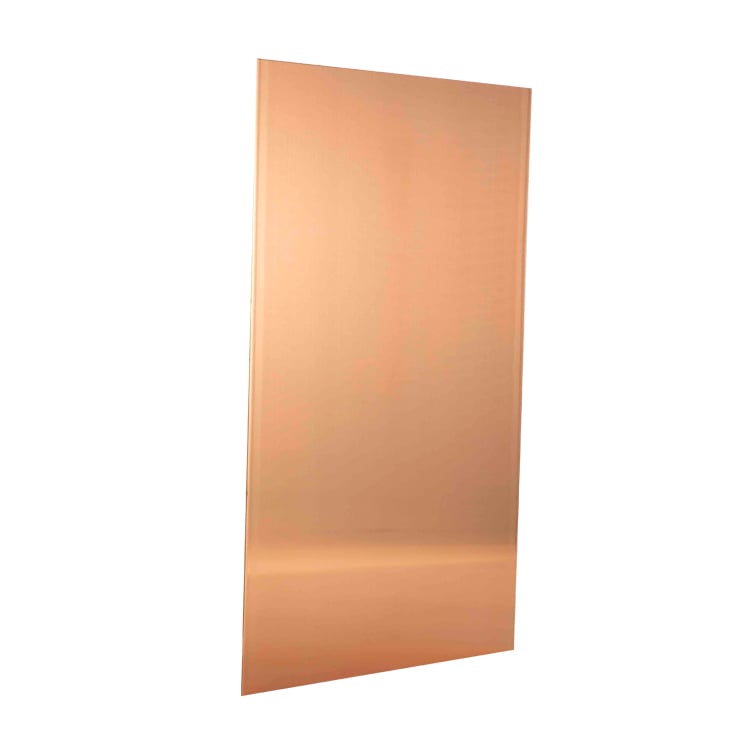
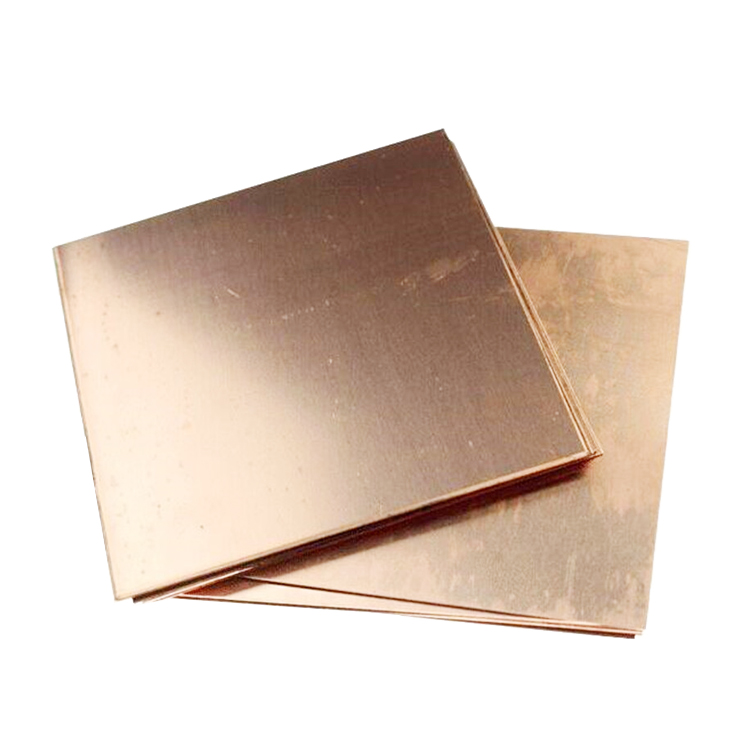
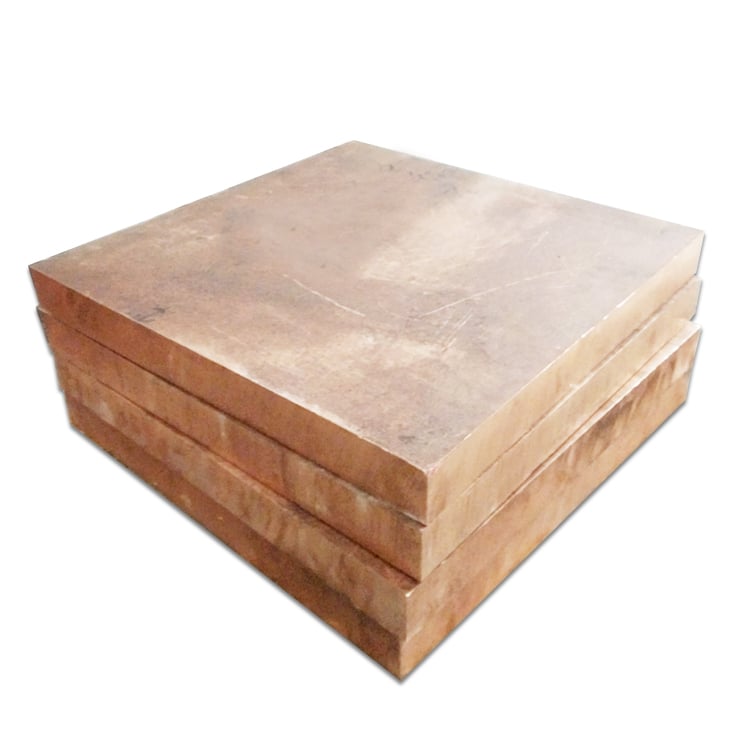
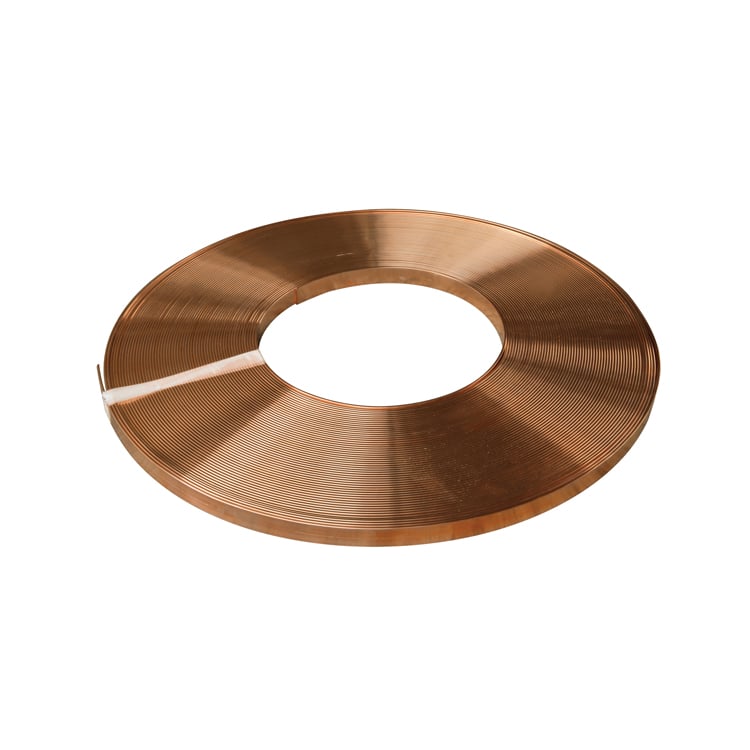
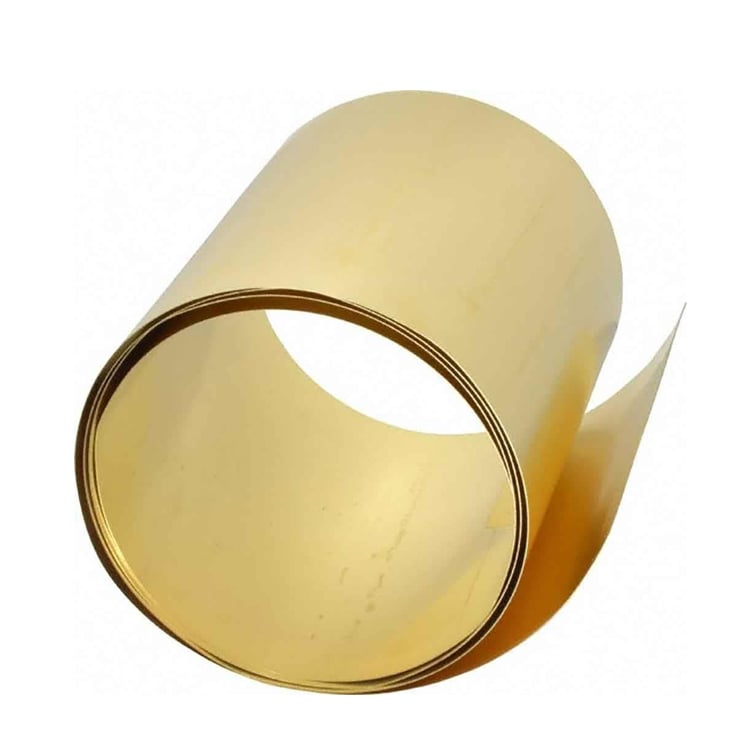
C18150 Copper Chromium Zirconium Strip (CuCr1Zr)
C18150 is a chromium-zirconium copper alloy strip. Adding Cr and Zr to the copper matrix gives excellent electrical & thermal conductivity (≈85% IACS) together with high strength and outstanding resistance to high-temperature softening and stress relaxation — a premium material for demanding automotive, welding and aerospace applications.
Key Features & Advantages
-
85% IACS conductivity + high strength (up to 690 MPa).
-
Superior softening resistance at elevated temperature.
- Excellent stress-relaxation resistance for long-life contacts.
- Good bend-formability and machinability.
- Reliable performance in high-current, high-heat environments.
Typical Applications
- High-end automotive & mobile-communication connectors
- Resistance-welding electrode material
- Continuous-casting mould liners
- Combustion chambers of high-thrust rocket engines
- Large motor end rings and high-speed-rail catenary wire
Equivalent Grades
| EN |
GB |
ASTM |
| CuCr1Zr |
TCr0.1-0.15 |
C18150 |
Chemical Composition (%)
| Cu |
Cr |
Zr |
| Balance |
0.5–1.5 |
0.02–0.20 |
Physical Properties
| Density (g/cm³) |
Modulus (GPa) |
Thermal Exp. (×10⁻⁶/K) |
Conductivity (%IACS) |
Thermal Cond. (W/m·K) |
| 8.9 |
135 |
18.6 |
85 |
330 |
Mechanical Properties (by Temper)
| Temper |
Tensile (MPa) |
Yield (MPa) |
Elong. % (A50) |
Hardness HV |
| R480 |
480–540 |
≥450 |
≥10 |
150–190 |
| R540 |
540–630 |
≥500 |
≥7 |
160–200 |
| R600 |
600–690 |
≥560 |
≥4 |
170–200 |
Available Sizes
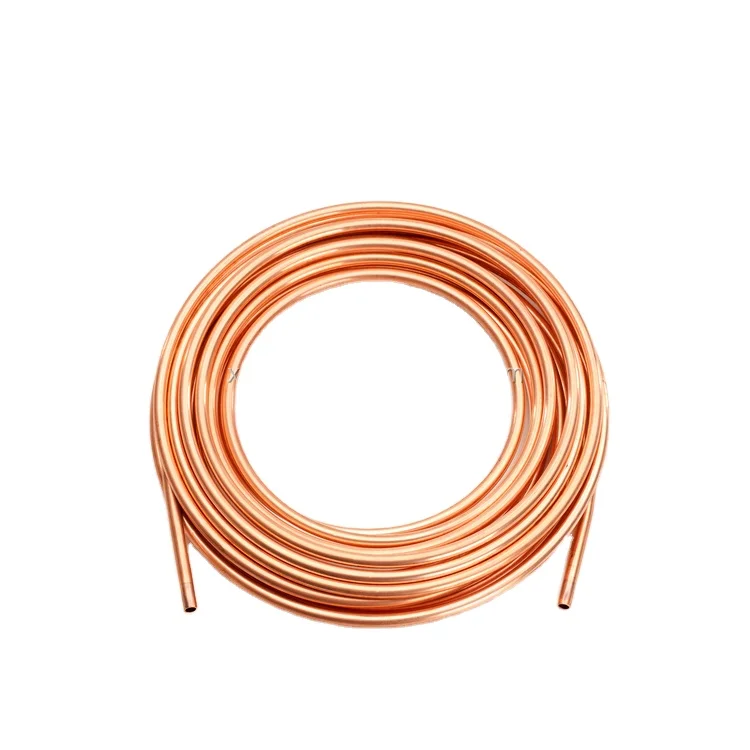
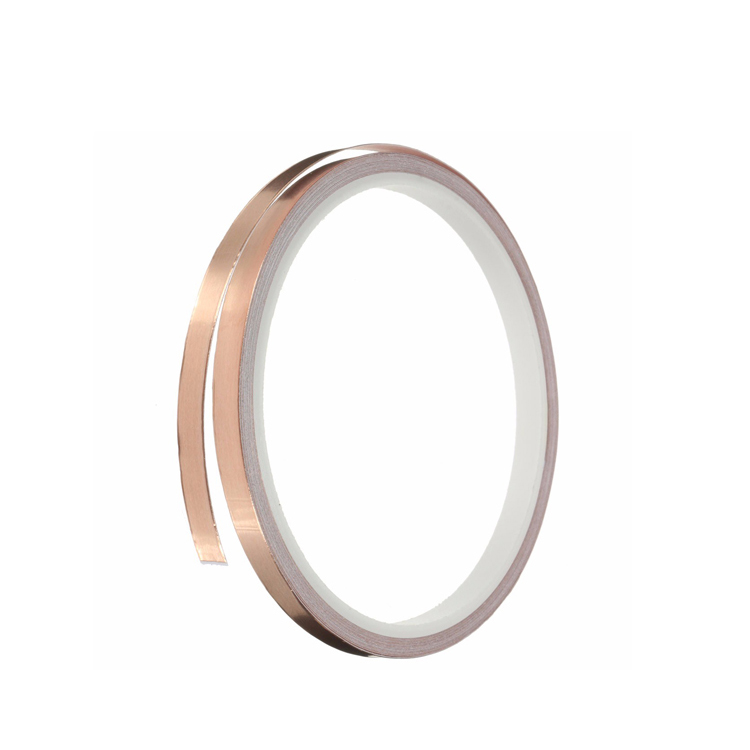
Thickness 0.06–5.0 mm · Custom width · Coil or sheet.
Need high-strength conductive C18150 (CuCr1Zr) strip?Welding-electrode & connector grades — samples and MTC on request.
Get a Quote
FAQ
Q: What is C18150 (CuCr1Zr) used for?
High-end automotive connectors, resistance-welding electrodes, continuous-casting mould liners, rocket-engine combustion chambers and high-speed-rail catenary wire.
Q: What conductivity does C18150 have?
≈85% IACS combined with tensile strength up to 690 MPa.
Q: Does C18150 resist high-temperature softening?
Yes — the Cr-Zr precipitation gives outstanding softening and stress-relaxation resistance.


 EN
EN